
There’s nothing gradual about Mississauga’s climate. Freezing winter temperatures, hot summer days, and spring melt all test homes in different ways. Understanding when problems happen makes prevention straightforward. If water starts flooding your home unexpectedly, an emergency plumber in Mississauga that locals rely on can respond fast and limit the damage. This blog explains how Mississauga’s weather impacts plumbing systems and what homeowners can do each season to stay protected.
Winter: Frozen Pipes Cause the Most Damage
Burst pipes flood homes faster than almost any other plumbing failure. Water expands when it freezes by about 9%, and pipes can’t accommodate that expansion. Pressure builds until something cracks. Copper splits. PEX ruptures. Galvanized steel breaks apart.
Once water starts flowing into walls or basements, damage accelerates. Drywall absorbs moisture. Floors warp. Personal belongings get ruined.
Wrap exposed pipes before temperatures drop. Foam sleeves work. Heat tape works. Focus on garages, crawl spaces, and any plumbing running along exterior walls. Older homes without modern insulation standards need extra attention here.
Open cabinet doors under sinks on cold nights. Simple move. Lets warm air from the house circulate through the pipes. Prevents freezing.
Disconnect outdoor hoses completely. Every single one. Frost-free spigots fail when hoses stay attached because trapped water has nowhere to go when it freezes. The valve cracks. Leaks show up in the spring when water gets turned back on.
Check water heaters before January hits. Cold incoming water forces units to work harder. Look for rust spots. Listen for odd noises. Test the pressure relief valve. Replacing a dying unit in November costs half what emergency replacement costs mid-winter.
Know where the main shut-off valve is. Show everyone in the household. When a pipe bursts at 3 a.m., finding that valve in 30 seconds versus fumbling around for 5 minutes determines how much water floods the house. If the valve won’t budge or water won’t stop, contact information for a trusted emergency plumber that Mississauga homeowners can reach immediately becomes essential.
Spring: Thaw Creates Hidden Problems
Melting snow dumps massive amounts of water into the ground. Sump pumps that didn’t run all winter suddenly cycle every few minutes. Soil shifts as frost leaves. Underground pipes move. Sewer connections get stressed.
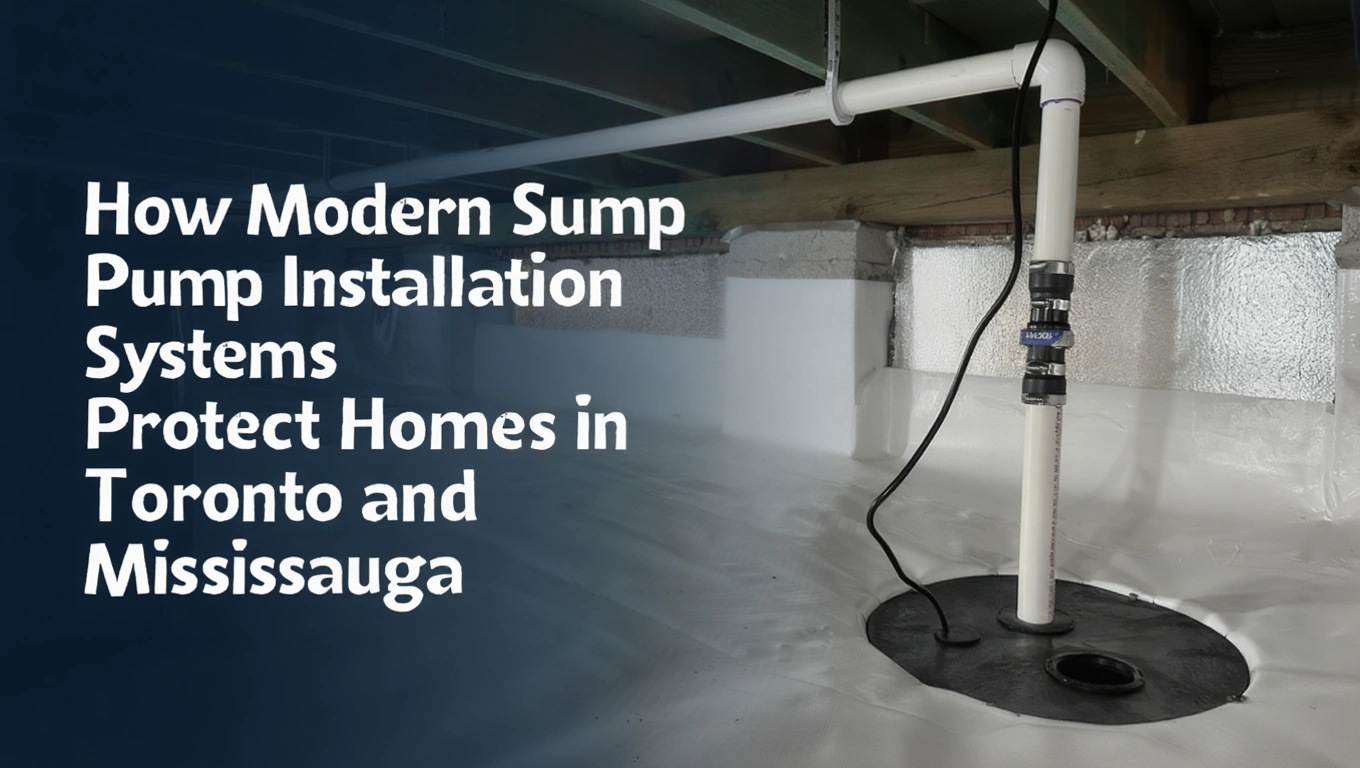
Test sump pumps before heavy rains arrive. Pour several gallons of water into the pit. The pump should kick on immediately. Drain fast. Shut off cleanly. Float switches stick after sitting idle. Motors fail right when they’re needed. Backup batteries older than three years almost always die during power outages, which happen most often during spring storms.
Watch for sewer line warnings. Toilets gurgle when other drains run. Multiple fixtures slow down at once. Sewage smells creep into basements. Tree roots find hairline cracks during winter, then expand aggressively when spring brings moisture. Clay and concrete sewer lines in older neighbourhoods see this constantly.
Turn outdoor water back on slowly. Check the wall behind each fixture for moisture. Freeze damage from winter might not leak until pressure returns.
Spring works well for scheduling camera inspections through plumbing services that Mississauga companies offer. Homes over 20 years old benefit most. Properties with large trees near sewer lines need this.
Summer: High Demand Exposes Weak Points
Water usage patterns change completely in summer. Kids are home all day. Guests over for barbecues. Lawns need daily watering. Pools require filling and maintenance. Extra showers. All that demand finds every weak spot.
Kitchen drains clog from grease. Grease pours like liquid when hot, then hardens inside pipes as it cools. Weeks of buildup choke the line. Scrape plates into the trash before rinsing. Disposals don’t solve grease problems.
Disposals have limits. Corn husks jam the mechanism. Celery stalks do too. Fibrous vegetables cause problems. Coffee grounds create sludge. Eggshells do the same. Run cold water during operation, then keep running it for 15 seconds after shutting off.
Heat expands pipes. Metal plumbing in attics heats up faster than the surrounding wood. South-facing walls get the worst of it. Joints loosen. Small leaks start. Water stains appear on ceilings. Damp patches show up on walls after sustained heat waves. Many homeowners prefer working with a plumber in Mississauga who knows local building codes and older home layouts.
Dry soil drives roots toward water. Tree roots push through tiny cracks in sewer lines. Grow into dense mats. Block flow completely. Do drains slow down during prolonged dry periods? Almost always roots. Hydro-jetting clears them before sewage backs up into basements.
Summer happens to be the easiest time for water heater maintenance. Drain sediment from the tank. Replace worn fixtures. The weather isn’t working against the project.
Look for the best plumbers in Mississauga who explain findings clearly and focus on prevention instead of just fixing immediate problems.
Fall: Set Up Before Winter Hits
Fall is prep season. Temperatures swing between warm afternoons and freezing nights. Leaves fill gutters faster than anyone cleans them. First hard freeze usually sneaks up early.
Clear gutters twice. Once in early fall. Again, after the last leaves drop. Clogged gutters overflow and dump water right next to the foundation instead of routing it away. That water overloads perimeter drains. Pushes through foundation walls. Floods basements.
Winterize sprinklers before the ground freezes. Sprinkler systems should be winterized early. Water left behind freezes and breaks pipes below ground. A professional blowout forces compressed air through each line, clearing valves and backflow preventers that rarely get fully emptied by DIY methods.
Check pipe insulation from last year. Walk through garages, crawl spaces, and areas with exterior walls. Look for gaps where the foam compressed or shifted. Add more now instead of dealing with burst pipes in January.
Give water heaters a final check. Verify the unit can handle months of continuous demand. Replacing an aging heater in October costs way less than emergency service during holiday weekends when every plumber in Mississauga is already slammed.
Book non-urgent work with a plumber in Mississauga during September or October. Avoid competing with January emergency calls.
Professional Inspection Catches Hidden Issues
Most basic seasonal tasks don’t require help. But certain problems stay hidden. Leaks behind finished walls. Cracks in underground sewer lines. Pressure imbalances. Sediment buildup in tanks. Finding these early requires cameras, pressure gauges, and experience.
One thorough inspection per year catches developing problems before they become expensive emergencies. Spring or fall works best. Older systems benefit from twice-yearly checks.
Proper licensing and insurance matter, especially in emergencies. Reviews from local Mississauga homeowners show how plumbers perform when things go wrong. A burst pipe at 2 a.m. isn’t the time to search online while water spreads across floors and walls.
Reliable plumbing in Mississauga combines homeowner maintenance with professional expertise from experienced plumbing services that Mississauga residents use for both routine care and urgent repairs.
Give your home year-round plumbing protection!
Mississauga’s weather extremes demand plumbing expertise that understands the region. SpyMods partners with local professionals who’ve seen every seasonal challenge this city throws at pipes, drains, and water heaters. Rather than searching frantically during emergencies or hoping DIY fixes hold, homeowners using SpyMods connect directly with the experienced plumbing services that Mississauga properties need. That’s what SpyMods delivers for local homeowners looking to protect their investment. Contact us now!
Faqs
Q1: When should pipes be insulated to prevent freezing?
Before the first freeze, which around here usually hits by early November. Focus on garages and crawl spaces first; they get coldest. Foam works. Heat tape works. Whatever you choose, install it through a trusted plumber in Mississauga before temperatures drop, not after pipes already burst.
Q2: How often should sump pumps be tested?
Test them twice during spring and fall. Spring catches issues before thaw. Fall catches problems before storms. Testing takes five minutes. Pour water in. Watch it drain. If the pump hesitates or won’t shut off, fix it immediately. Schedule a visit from plumbing services in Mississauga.
Q3: What causes sewer backups during summer?
Roots cause most of them. Trees get thirsty during dry stretches, and roots push into any crack they find in sewer lines. Once inside, they grow fast and block the pipe. Then a big storm hits, and sewage has nowhere to go except back into your basement.
Q4: Why do garbage disposals jam during summer?
Summer cooking generates more fibrous waste. Corn husks and celery stalks wrap around the blades like rope. Coffee grounds compact into a paste. Eggshells do the same. Disposals seem convenient until they jam at the worst possible time.
Q5: When should water heaters be inspected?
Check them fall and spring. Look for rust around the base. Listen for rumbling or popping sounds. Test the pressure valve. Flush sediment out during the summer when it’s easier to work. Anything over 10 years old needs replacement planning.