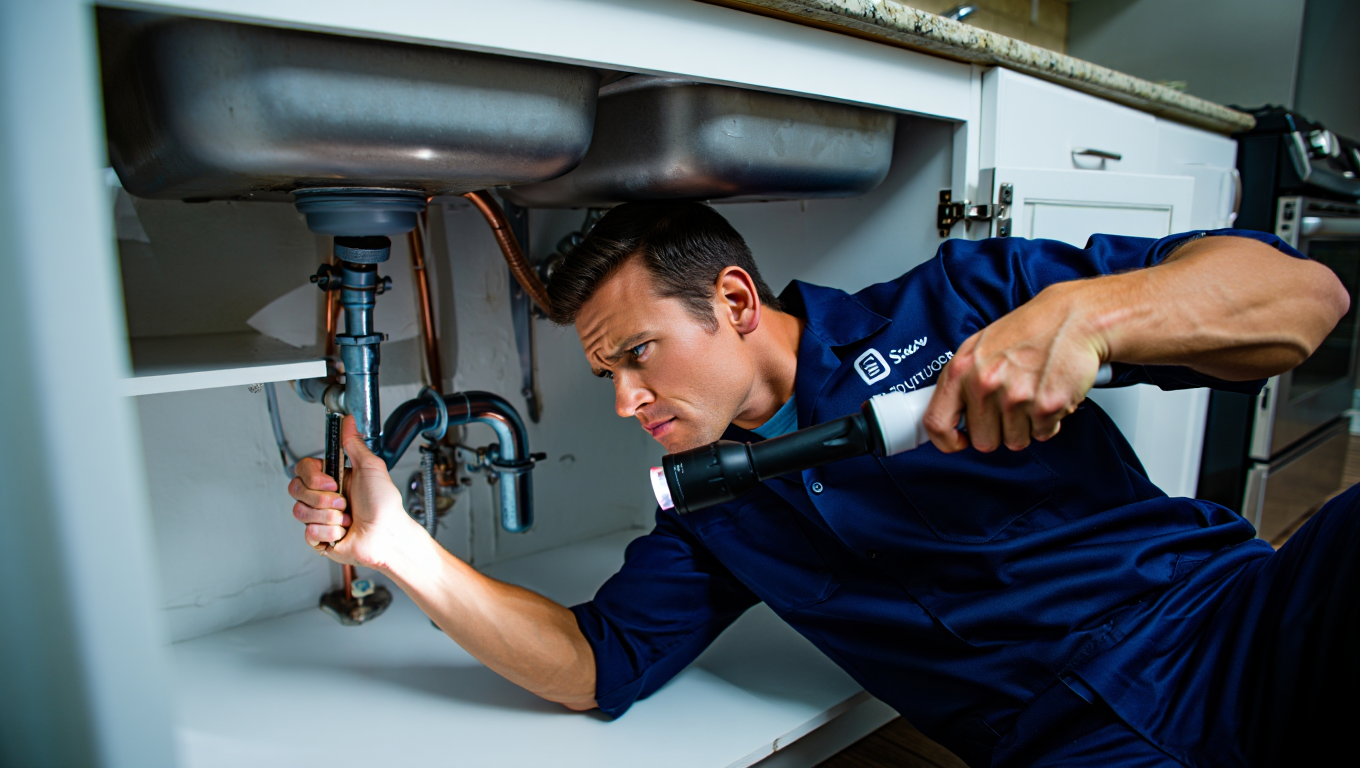
December 2nd comes in pretty quietly across the GTA. Mississauga stays stuck at 28°F, with only a light 5 mph wind moving around. But it’s not going to stay this gentle, forecasters say we’ll be dipping to 14°F by Thursday, and the winds could crank up to nearly 50 km/h. Such weather conditions pose risks to household plumbing due to ice expansion in pipes, potentially leading to ruptures and resultant flood damage. Repair costs average above $5,000 according to insurance data. Implementing targeted preparation measures over the weekend can mitigate these risks. This blog provides detailed, evidence-based guidance aimed at maintaining plumbing integrity and the contribution of emergency plumbing in Mississauga for uninterrupted water flow through the holiday period.
The Hidden Risks: Why Plumbing Demands Winter Attention Now
Deep inside your plumbing, winter works without fanfare. As water turns to ice, it pushes outward about a 9% expansion. That small push can build into an enormous force, sometimes hitting 2,000 psi, which is more than enough to blow apart copper or PVC pipes. Wind chills from tomorrow’s 17 mph averages will only hasten the threat, turning subtle vulnerabilities into outright crises.
Figures from the Insurance Bureau of Canada paint a stark picture: Water damage tied to frozen lines snags more than 20% of seasonal claims, fueling millions in collective losses each year. Soggy basements breed mould, buckled floors demand replacement, and the cleanup disrupts lives far beyond the initial drip. On the brighter side, straightforward safeguards like sealing drafts or wrapping lines slash those odds dramatically. They also curb energy leaks, easing the strain on heating systems as forecasts hint at partly cloudy spells giving way to heavier snow by December 9, where accumulations could hit 4 inches amid 29°F highs. Acting before the freeze solidifies the soil, makes all the difference; postponing invites the rush of pros already swamped by the first storm.
Step-by-Step Safeguards: A Complete Winterization
Tackle this over two days if possible, starting with the yard to stem the cold’s entry, then layering indoor protections, warmth strategies, and fail-safes. Each move targets proven weak spots, backed by decades of plumber wisdom and homeowner trials.
1. Fortify the Perimeter: Outdoor Measures That Block the Bite
Exteriors catch the brunt first, where hoses and taps dangle like bait for the freeze.
- Unhook and Purge Hoses: Detach all garden hoses without delay. Lingering moisture inside balloons and snaps the feeding lines, often concealed indoors. Lift one end high to coax out every drop, then tuck them away in a dry corner of the garage. A recurring calendar alert for late November keeps the habit sharp.
- Deactivate and Drain Supply Lines: Hunt down the indoor valves controlling outdoor spigots; most hide in utility rooms, and shut them tight. Crack the exterior taps wide to vent residuals, propping them open for the season. Irrigation setups need a thorough blowout; a $50 compressor rental from a local depot clears the paths efficiently.
- Guard the Fixtures: Snap foam sleeves over exposed bibs for pennies, $5 apiece, shields against overnight dips. Pair this with gutter sweeps to head off ice jams that funnel melt back toward home foundations, compounding indoor pressures.
Clocking in at 20-30 minutes, these basics fend off the majority of outdoor-triggered failures. Skip them, and a single oversight snowballs into widespread woe.
2. Reinforce the Core: Indoor Insulation Tactics
Once outside is secured, pivot to interiors, where drafts and thin walls conspire against stability.
- Sheath the Exposed Runs: Patrol basements, attics, and crawl spaces for bare pipes, zeroing in on those hugging outer barriers. Foam insulators or fibreglass rolls, snagged for $10-20 at supply stores, fit snugly over lengths; elbow fittings handle turns, sealed by quality tape that withstands subzero flex. Cold feeds take priority—their quicker cooldown spells faster trouble.
- Stem the Draft Flows: Leaky seals invite arctic air, so wield caulk on window gaps and door thresholds, opting for foam fillers in wider breaches like foundation cracks. A drifting feather test pinpoints the culprits, while $15 weatherstrips on entries lock in the gains, boosting whole-home comfort.
- Buffer the Buffer Zones: Drafty overheads or underfloors call for upgrades to rigid panels or loose cellulose, aiming for Energy Star’s R-30 benchmark. Effort-intensive, yes, but transformative in structures past their second decade, curbing heat escape that plagues many GTA setups.
Held above 20°F, these pipes dodge the ice threshold. A yearly once-over spots frays early, extending the shield’s life. Renters and homeowners alike depend on quick-response emergency plumbing service in Mississauga when water problems threaten their property.
3. Sustain the Flow: Heat and Motion Essentials
Warmth isn’t optional; it’s the linchpin, paired with subtle movements to outwit stagnation.
- Anchor Temperature Baselines: Lock thermostats at 55°F nonstop, occupancy be damned. App-driven units like Nest enable oversight from afar, crucial for empty nests. Sags to 50°F or lower court disaster, far eclipsing fleeting utility savings.
- Channel Air and Trickle Lines: Exterior-wall sinks chill swiftly, ease cabinet panels ajar for convective warmth, stowing toxins aside. In brutal snaps, like Thursday’s projected plunge, a pencil-lead drip from cold taps stirs the contents, staving off crystals for trivial added usage.
- Apply Precision Warmers: Heat tapes, the auto-sensing variety, wrap finicky segments, drawing power solely on cue via grounded outlets. Manuals dictate no bunching to sidestep scorch risks.
- Tie in heater tune-ups: Sediment flushes yearly, plus insulating blankets ($20) and valve verifications, ensure reliable output when demands spike.
4. Forge Contingencies: Readiness for the Curveballs
Armed foresight blunts impacts, turning alerts into actions.
- Chart and Validate Controls: Tag the primary shutoff meter vicinity usually, and drill its use across the household. Sump units get a water-pour trial; outage-proof batteries stand sentinel.
- Deploy Vigilant Aids: Smart detectors flag humidity spikes or temp slides to mobiles, nipping issues young. Routine vent shovelling during dumps, like the 7 inches of mixed precip eyed for December 11, keeps exhaust patent.
Equipped thus, homes’ weather glitches with grace. Homeowners often don’t realize how valuable emergency plumbing service in Mississauga is until a frozen line or sudden leak turns into a full-blown crisis.
Navigating a Freeze: Revival Routines and Pro Thresholds
Trouble brews visibly: Icy sheens, faltering streams, ominous bulges. Cut the feed at the main, liberate faucets, and coax thaw from the tap side, low-dryer blasts, steamed fabrics, or buffered heaters at safe removes. Open flames? Absolute no-go, given the volatile wet-dry dance. Expect an hour or two; follow with leak hunts and desiccation to starve fungi.
Tough-access or doubt-ridden cases shift to specialists, preserving sanity and structure. Reputed plumbing companies offer 24/7 emergency plumbers who mobilize swiftly. Their Premium plumbing services extend beyond fixes to foresight, minimizing the mess.
Blending DIY Grit with Pro Precision
Self-guided efforts handle the bulk, yet labyrinthine legacy systems or stacked condos thrive under expert scrutiny. Plumbing ambulance’s premium plumbing services deliver audits, fitted barriers, and upfront costs, on call day or night as 24/7 emergency plumbers span Mississauga to Etobicoke edges. From chalet lockdowns to tower tangles, they’ve tamed the lot, pricing accessibility amid the squeeze.
Echoing a fresh Oakville episode: A bypassed hose sparked a $3,000 yuletide surge, staunched by dawn via extraction and solder. It drives home prep’s primacy, with backup as the wise hedge.
Closing the Loop: A Fortress Against the Frost
Armed with this framework, from perimeter patrols to pulse keepers, residences claim command over the cold. Mississauga’s 28°F overcast today, morphing to a wintry mix with 2 inches tonight and gusty 14°F chills Thursday, underscores the now-or-never. Hours front-loaded yield serenity sustained, homes hale and hydro tame.
Plumbing Ambulance awaits bespoke bolstering via premium plumbing services. Tap the 24/7 emergency plumbers to repel the rigours, reclaiming the season’s simple delights.
Faqs
1. How do I stop my pipes from freezing when it gets cold?
One of the simplest things you can do is cover any exposed pipes, especially the ones running through cold corners of the house. And when the temperature suddenly dips below freezing, let a tap run just a tiny bit. That slow trickle helps stop pressure from building inside the pipes.
2. What should I do with outside faucets and hoses before winter?
Before winter has a chance to settle in, turn off the indoor valve that feeds your outdoor taps and let them drain out. Take your hoses off as well and empty them completely so they don’t freeze into stiff, cracked messes. Swapping to frost-free outdoor faucets is a smart upgrade.
3. When is it time to call a plumber for winter plumbing problems?
If you notice any dripping, cracking, or strange noises coming from your pipes, that’s usually the moment to get a professional involved. And if something urgent happens, like no water coming through during a freeze or, worse, a pipe that bursts. That’s when 24/7 emergency plumbing in Mississauga becomes essential.
4. How do I protect my sump pump during winter?
Winter can be tough on sump pumps. The discharge line outside can freeze, or a storm might knock out the power. Wrapping the line for insulation helps, and having a backup battery can save you during outages. A quick check-up from a plumber before winter hits can keep your basement dry when the snow starts melting.
5. Should I leave the heat on when I’m away?
Yes, don’t shut the heat off completely. Even if you’re not home, the temperature inside should stay above about 55°F so the pipes in colder areas don’t freeze. Turning the thermostat too low might save a little on your bill, but repairing a burst pipe will cost far more.